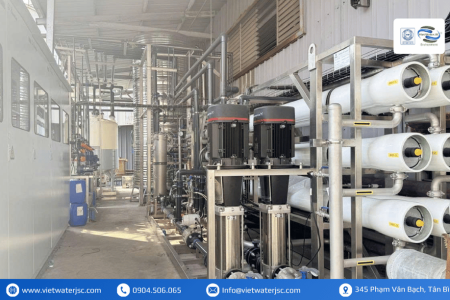
Viet Water provides engineering, design, and construction services for ESG-compliant wastewater trea...
ESG-Compliant Wastewater Treatment System Design & Construction
ESG-Compliant Wastewater Treatment System Design and Construction Contractor – Engineering Solutions for Sustainable Industrial Development
As sustainability becomes a core business strategy, Environmental, Social, and Governance (ESG) standards have evolved from voluntary initiatives into essential requirements for manufacturing enterprises, industrial parks, and export-oriented industries. Wastewater treatment is one of the key environmental indicators used to evaluate ESG performance.
From an engineering perspective, an ESG-compliant wastewater treatment system is more than a facility that meets discharge regulations. It is a fully integrated solution designed to minimize energy consumption, reduce greenhouse gas emissions, optimize resource utilization, improve operational reliability, and provide transparent environmental data throughout the entire lifecycle of the system.
Selecting an experienced wastewater treatment system design and construction contractor is therefore a critical decision that directly influences environmental performance, operating costs, and long-term sustainability.
What Does ESG Mean in Wastewater Treatment System Engineering?
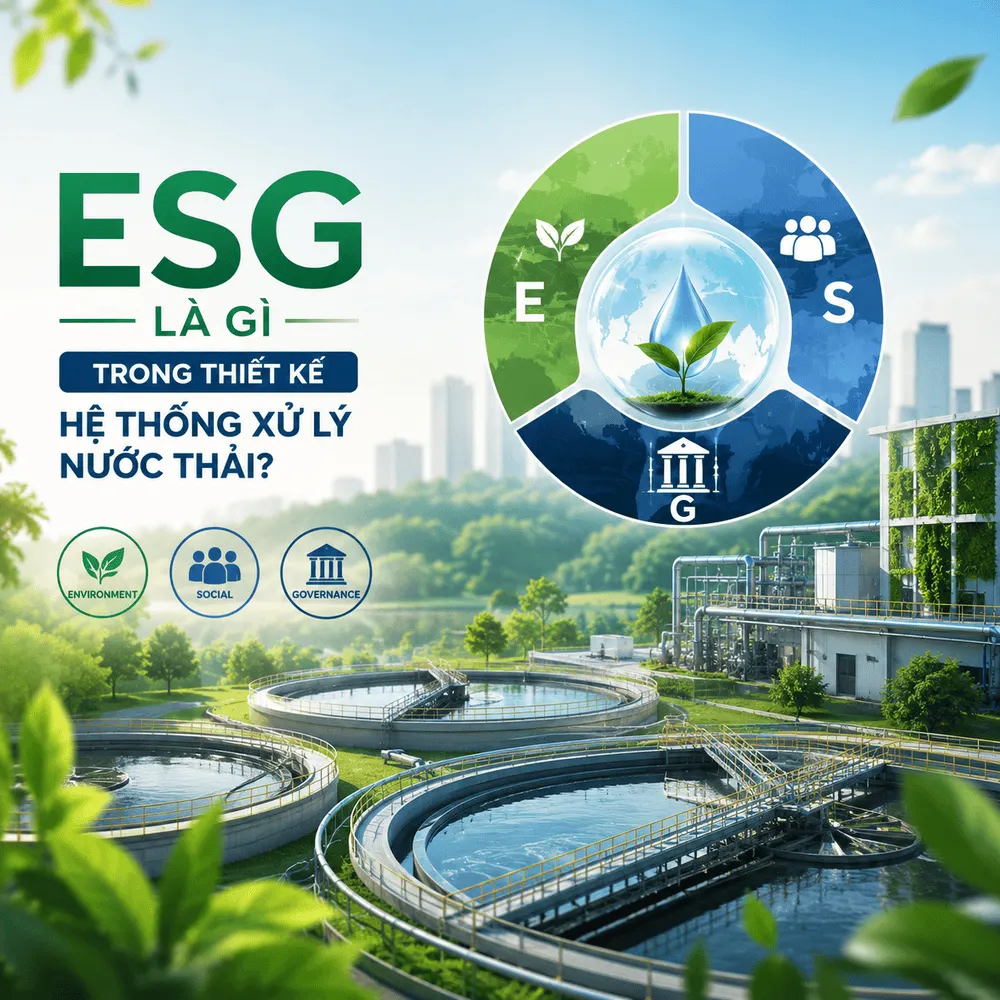
In wastewater treatment projects, ESG principles extend beyond regulatory compliance. They require engineers to evaluate every stage of the project, from system design and equipment selection to construction, commissioning, operation, and performance monitoring.
Environmental Requirements
An ESG-compliant system should:
- Meet applicable wastewater discharge standards.
- Reduce greenhouse gas emissions.
- Minimize electricity consumption.
- Optimize chemical usage.
- Reduce sludge generation.
- Increase treated water reuse.
- Improve overall resource efficiency.
Social Responsibilities
Engineering design should prioritize:
- Operator safety.
- Reduced noise and odor emissions.
- Safe chemical handling.
- Easy operation and maintenance.
- Stable long-term system performance.
Governance Requirements
A modern wastewater treatment facility should support:
- Continuous operational monitoring.
- Environmental data recording.
- SCADA and IoT integration.
- Automatic reporting.
- ESG auditing and compliance documentation.
Engineering Design Criteria for ESG-Compliant Wastewater Treatment Systems
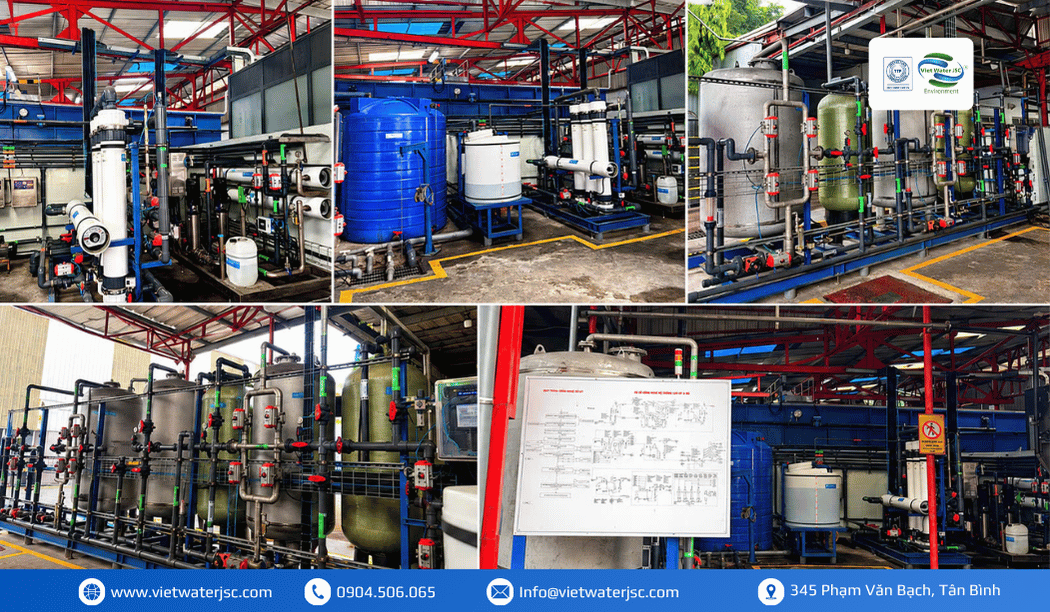
Successful wastewater treatment projects begin with accurate engineering analysis rather than equipment selection.
Key design criteria include:
Wastewater Characterization
Before selecting treatment technologies, engineers evaluate:
- Average flow rate.
- Peak hydraulic load.
- Flow variation.
- Pollutant concentrations.
- Seasonal production fluctuations.
Typical laboratory analyses include:
- pH
- COD
- BOD₅
- TSS
- Ammonia
- Total Nitrogen
- Total Phosphorus
- Oil & Grease
- Heavy Metals
- Conductivity
- Color
Accurate wastewater characterization forms the foundation of reliable process design.
Technology Selection
No single technology is suitable for every wastewater application.
Engineers determine the optimal treatment process based on:
- Wastewater characteristics.
- Required effluent quality.
- Available installation area.
- Investment budget.
- Operating costs.
- Future expansion requirements.
Biological Treatment Technologies
Depending on project requirements, commonly applied biological processes include:
- AAO Process
- AO Process
- MBBR
- MBR
- SBR
- UASB
Membrane Treatment Technologies
Advanced membrane solutions include:
- Ultrafiltration (UF)
- Nanofiltration (NF)
- Reverse Osmosis (RO)
- Disc Tube Reverse Osmosis (DTRO)
Water Reuse Solutions
For water recycling applications, integrated treatment systems may include:
- MBR + UF
- UF + RO
- RO + EDI
- Zero Liquid Discharge (ZLD)
These technologies enable treated water to be reused for industrial production, cooling systems, cleaning operations, or irrigation.
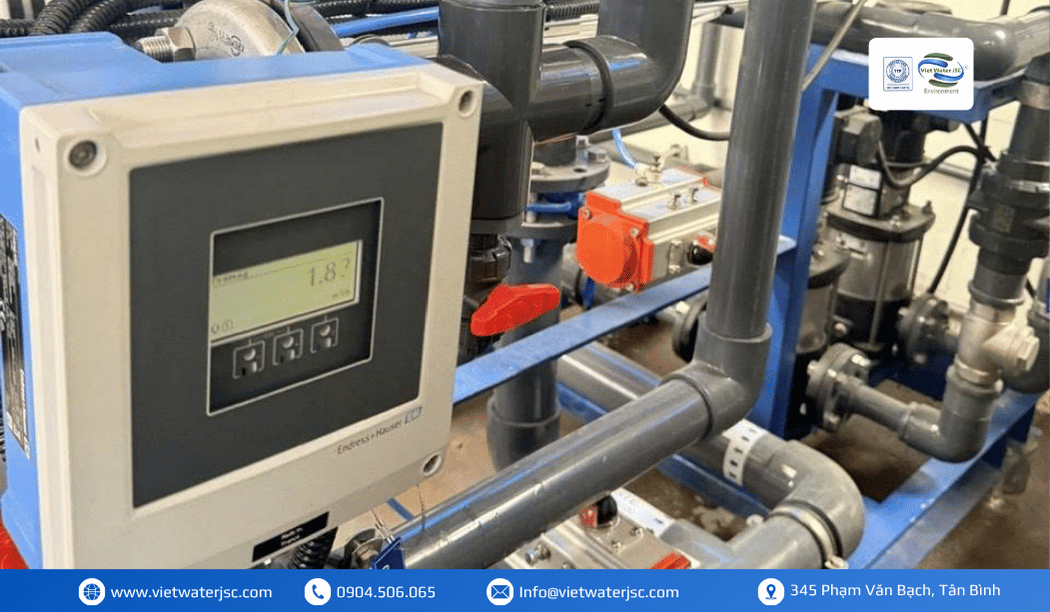
Engineering Design of Major Equipment
An experienced engineering contractor performs detailed calculations for every major process unit rather than relying on standard equipment sizing.
Equalization Tank
Engineering calculations include:
- Hydraulic retention time.
- Effective storage volume.
- Mixing requirements.
- Pump capacity.
Biological Reactor
Key design parameters include:
- Food-to-Microorganism Ratio (F/M).
- Mixed Liquor Suspended Solids (MLSS).
- Mean Cell Residence Time (MCRT).
- Hydraulic Retention Time (HRT).
- Sludge Retention Time (SRT).
- Biological treatment efficiency.
Air Blower Selection
Blower capacity is determined according to:
- Oxygen demand.
- Oxygen transfer efficiency.
- Head loss calculations.
- Water depth.
Wastewater Pumps
Pump selection considers:
- Flow rate.
- Total Dynamic Head (TDH).
- Net Positive Suction Head (NPSH).
- Motor efficiency.
Intelligent Automation for ESG Compliance
Modern ESG-oriented wastewater treatment systems increasingly rely on intelligent automation.
Typical automation systems include:
- PLC control.
- SCADA monitoring.
- IoT Gateway.
- Online sensors.
- Flow meters.
- Energy monitoring systems.
Integrated automation enables operators to:
- Monitor effluent quality in real time.
- Track electricity consumption.
- Optimize chemical dosing.
- Evaluate equipment performance.
- Generate ESG performance reports.
How to Evaluate an ESG Wastewater Treatment Contractor
Not every environmental contractor possesses the technical capabilities required for ESG-compliant projects.
Businesses should evaluate contractors based on:
Engineering Capability
- Environmental engineering expertise.
- Mechanical engineering capability.
- Electrical and automation engineering.
- Industry-specific design experience.
Construction Capability
- In-house equipment fabrication.
- Mechanical installation.
- Electrical installation.
- Commissioning and performance optimization.
Operation and Maintenance Support
Professional contractors should provide:
- Operator training.
- Technology transfer.
- Preventive maintenance.
- Long-term technical support.
Viet Water – Your Trusted ESG Wastewater Treatment Engineering Partner
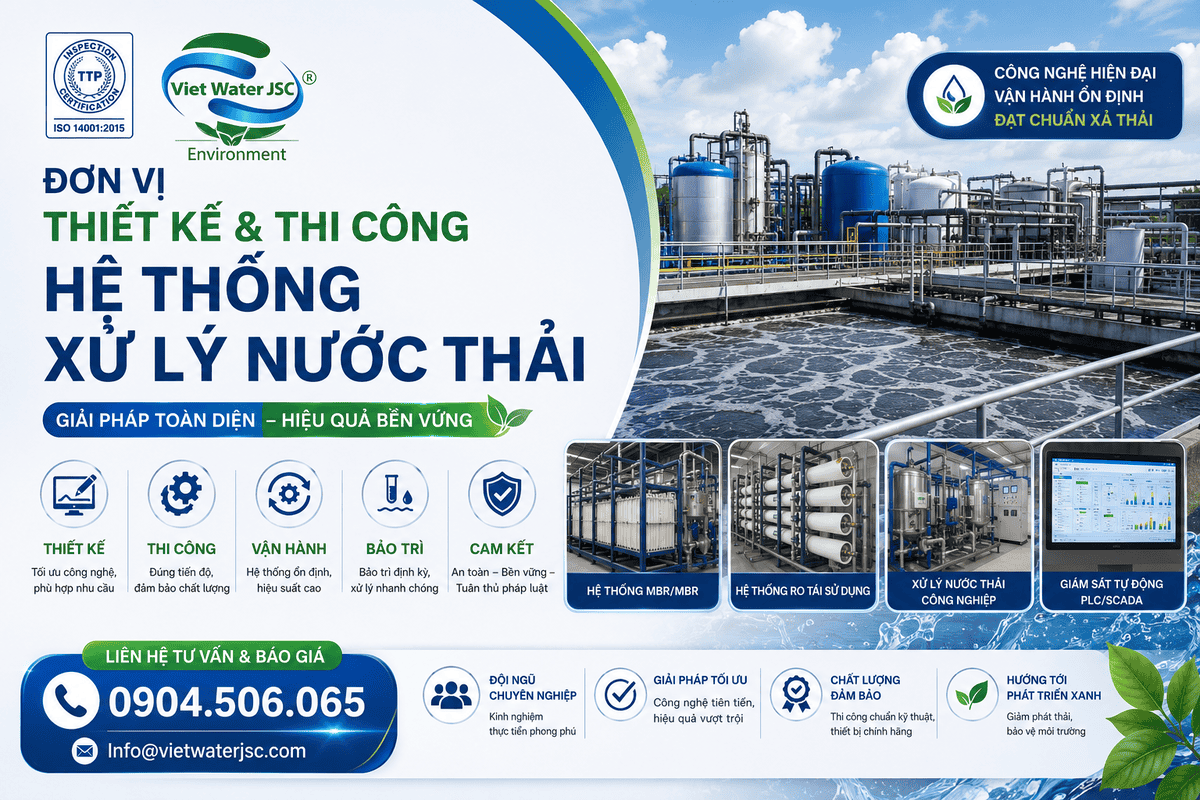
Viet Water Joint Stock Company provides comprehensive wastewater treatment solutions covering engineering design, equipment fabrication, installation, commissioning, operation support, and long-term maintenance.
Our Technical Strengths
- Engineering based on actual pollutant loading.
- Energy-efficient process optimization.
- Sludge reduction solutions.
- PLC, SCADA, and IoT integration.
- Expertise in MBR, MBBR, UF, RO, DTRO, and ZLD technologies.
- Water reuse system design.
- Technical support for ESG implementation and Net Zero strategies.
Conclusion
An ESG-compliant wastewater treatment system should be evaluated not only by its ability to meet discharge standards but also by its energy efficiency, carbon emission reduction, automation capability, operational transparency, and long-term sustainability. Choosing a technically competent engineering contractor ensures reliable system performance, optimized investment, and compliance with evolving ESG requirements. With extensive experience in industrial wastewater treatment projects, Viet Water JSC delivers advanced engineering solutions that help businesses improve environmental performance while supporting sustainable growth and Net Zero objectives.
Contact Information
VIET WATER JOINT STOCK COMPANY
- Head Office: 345 Pham Van Bach Street, Tan Binh Ward, Ho Chi Minh City, Vietnam
- Workshop: Thanh Xuan 52 Street, Thanh Xuan Ward, Ho Chi Minh City, Vietnam
- Hotline: (+84) 904 506 065 – (+84) 28 6272 4888
- Email: Info@vietwaterjsc.com
- Website: www.vietwaterjsc.com