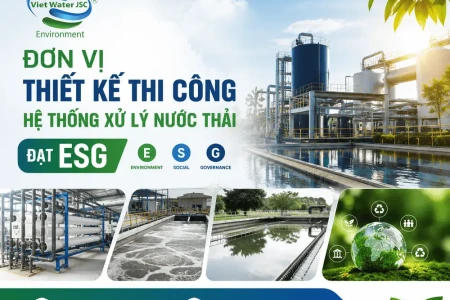
Viet Water provides engineering, design, and construction services for ESG-compliant wastewater trea...
Energy-Efficient Wastewater Treatment System Investment Cost
Energy-Efficient Wastewater Treatment System Investment Cost – A Smart Investment for Sustainable Manufacturing
The investment cost of an energy-efficient wastewater treatment system is one of the primary concerns for industrial facilities and manufacturing businesses planning environmental infrastructure projects. As electricity prices continue to rise and environmental regulations become more stringent, investing in a wastewater treatment system that minimizes energy consumption has become a strategic decision for long-term business sustainability.
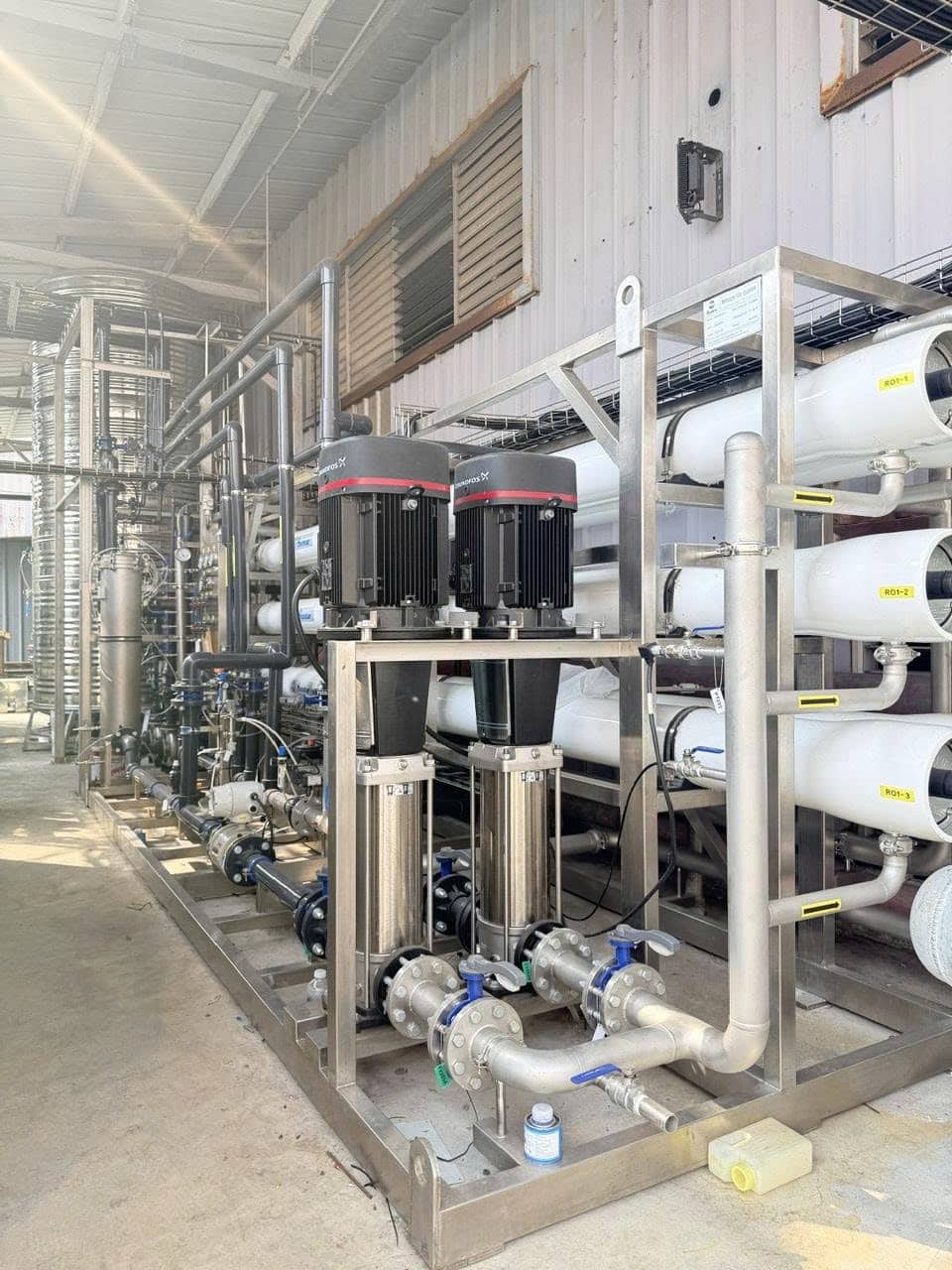
Unlike conventional treatment systems, modern energy-efficient wastewater treatment plants are designed using advanced technologies, high-efficiency equipment, and intelligent automation. These solutions significantly reduce electricity consumption, chemical usage, sludge production, and overall operating costs while ensuring stable treatment performance and regulatory compliance.
In this article, Viet Water JSC explains the major factors influencing investment costs, provides estimated budget ranges, and introduces practical solutions that help businesses optimize both capital expenditure and operational efficiency.
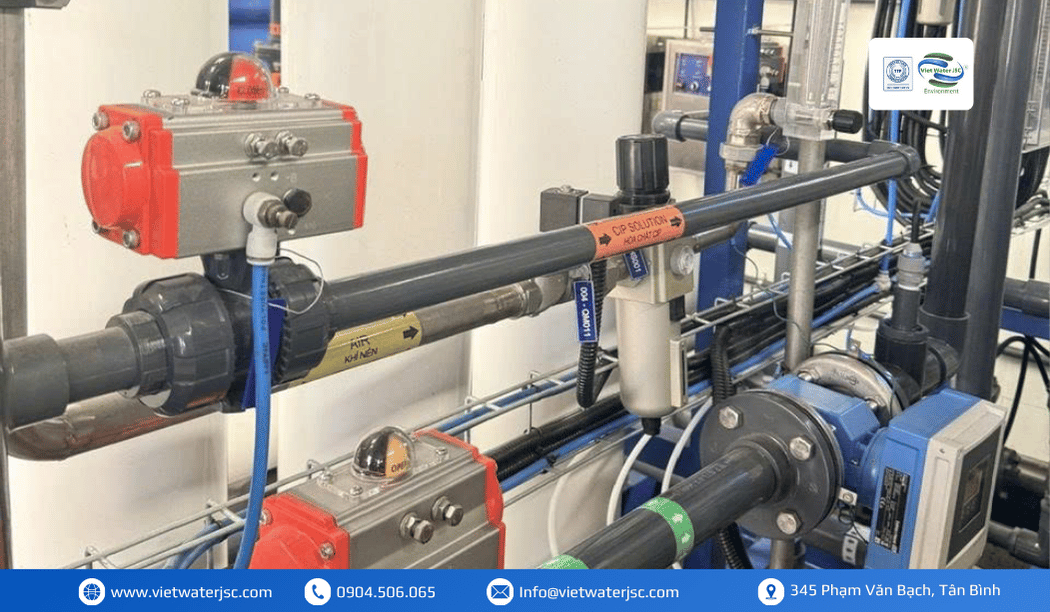
What Is an Energy-Efficient Wastewater Treatment System?
An energy-efficient wastewater treatment system is designed to achieve maximum treatment performance while minimizing electricity consumption through optimized process design, advanced equipment, and intelligent control systems.
Main Objectives
- Meet wastewater discharge standards.
- Reduce electricity consumption.
- Minimize chemical usage.
- Lower sludge generation.
- Reduce operating costs.
- Extend equipment lifespan.
- Support sustainable manufacturing and green production.
Why Should Businesses Invest in an Energy-Efficient Wastewater Treatment System?
Many companies focus only on the initial investment while overlooking the Total Cost of Ownership (TCO) throughout the system's operating life.
Long-Term Benefits
- Reduce electricity costs by 20–40% (depending on technology and operating conditions).
- Lower chemical consumption.
- Reduce labor requirements.
- Minimize sludge disposal costs.
- Extend equipment service life.
- Lower maintenance expenses.
- Improve production efficiency.
As a result, businesses can achieve a faster return on investment while reducing long-term operating costs.
Factors Affecting the Investment Cost
Treatment Capacity
Treatment capacity is one of the most significant factors affecting project investment.
| Capacity | Typical Applications |
|---|---|
| 10–30 m³/day | Restaurants, hotels, small factories |
| 30–100 m³/day | Medium-sized manufacturing plants |
| 100–300 m³/day | Large industrial facilities |
| Above 300 m³/day | Industrial parks and large enterprises |
Wastewater Characteristics
Investment costs vary depending on wastewater quality and pollutant concentrations.
Typical wastewater sources include:
- Food processing
- Beverage production
- Seafood processing
- Livestock farming
- Textile and dyeing
- Paper mills
- Chemical manufacturing
- Pharmaceutical production
- Electronics manufacturing
- Electroplating
Key parameters such as COD, BOD₅, TSS, Total Nitrogen, Total Phosphorus, Oil & Grease, and Heavy Metals determine the treatment process and equipment selection.
Treatment Technologies
Selecting the appropriate technology helps optimize both investment and operational costs.
Technologies Offered by Viet Water
- Membrane Bioreactor (MBR)
- Moving Bed Biofilm Reactor (MBBR)
- Anaerobic–Anoxic–Oxic (AAO)
- Sequencing Batch Reactor (SBR)
- Upflow Anaerobic Sludge Blanket (UASB)
- Ultrafiltration (UF)
- Reverse Osmosis (RO)
- Disc Tube Reverse Osmosis (DTRO)
- Zero Liquid Discharge (ZLD)
- SCADA Automation
- IoT Remote Monitoring
Equipment Selection
Equipment quality has a direct impact on energy consumption and system lifespan.
Typical equipment includes:
- High-efficiency air blowers.
- Energy-saving pumps.
- MBR membrane modules.
- Online monitoring instruments.
- PLC control panels.
- Variable Frequency Drives (VFDs).
- SCADA monitoring systems.
Automation Level
Modern wastewater treatment systems can integrate:
- PLC automatic control.
- SCADA supervisory systems.
- Remote monitoring.
- Fault alarm systems.
- Real-time energy monitoring.
- Online operational reporting.
Higher automation requires greater initial investment but significantly reduces operating expenses over time.
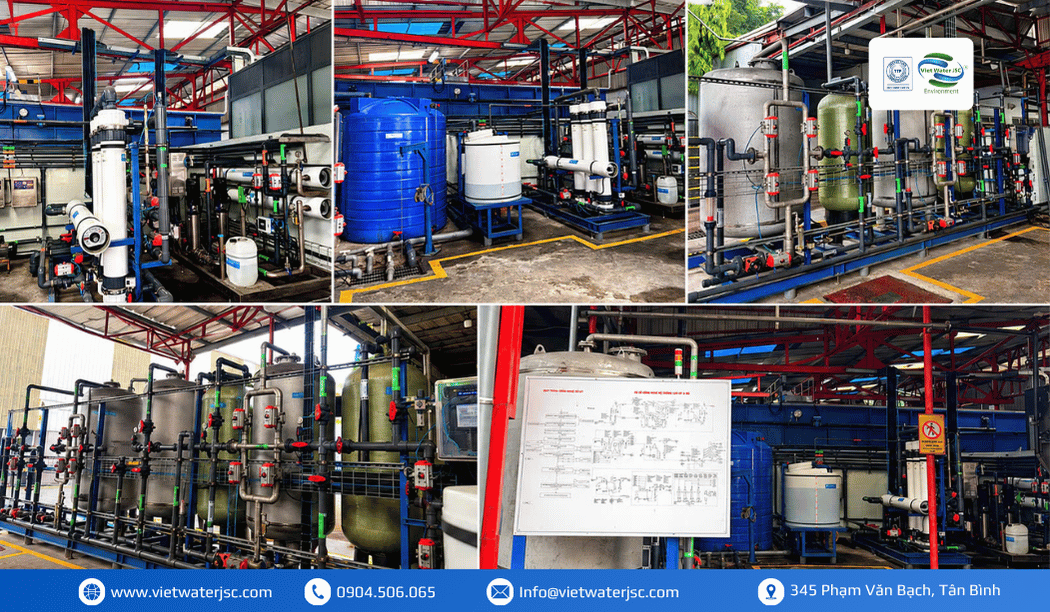
Estimated Investment Cost
Note: The following figures are for reference only. Final pricing depends on wastewater characteristics, treatment capacity, project scope, and site conditions.
| Treatment Capacity | Estimated Investment |
|---|---|
| 10–30 m³/day | Project-based quotation |
| 30–100 m³/day | Project-based quotation |
| 100–300 m³/day | Project-based quotation |
| 300–500 m³/day | Project-based quotation |
| Above 500 m³/day | Project-based quotation |
Investment Cost Depends On
- Treatment capacity.
- Wastewater characteristics.
- Selected treatment technology.
- Equipment quality.
- Automation level.
- Installation conditions.
- Water reuse requirements.
Project Scope Included in the Investment
Engineering and Consulting
- Site survey.
- Wastewater sampling.
- Laboratory analysis.
- Process consultation.
Design Services
- Process design.
- Detailed engineering drawings.
- Electrical and automation design.
Fabrication and Installation
- Equipment fabrication.
- Tank construction.
- Pipeline installation.
- Mechanical installation.
- Electrical installation.
Commissioning and Handover
- System testing.
- Performance optimization.
- Commissioning.
- Operator training.
- Technology transfer.
How to Reduce Investment Costs
Businesses can optimize project costs by:
Selecting the Appropriate Technology
Choosing the most suitable treatment process according to wastewater characteristics ensures maximum investment efficiency.
Using Energy-Efficient Equipment
Recommended equipment includes:
- High-efficiency pumps.
- Inverter-controlled blowers.
- IE3 or IE4 premium-efficiency motors.
- Intelligent PLC control systems.
Reusing Treated Water
Treated water can be reused for:
- Floor cleaning.
- Landscape irrigation.
- Cooling systems.
- Industrial processes.
Water reuse significantly reduces freshwater consumption and operating expenses.
Preventive Maintenance
Regular maintenance helps:
- Extend equipment lifespan.
- Reduce electricity consumption.
- Prevent unexpected failures.
- Lower maintenance costs.
Why Choose Viet Water?
Viet Water Joint Stock Company specializes in designing and constructing energy-efficient wastewater treatment systems for industrial and municipal applications.
Our Competitive Advantages
- Experienced environmental engineering team.
- Customized solutions for every industry.
- Expertise in advanced treatment technologies.
- On-time project delivery.
- High-quality equipment.
- PLC, SCADA, and IoT integration.
- Optimized investment and operating costs.
- Comprehensive after-sales technical support.
Project Implementation Process
- Customer consultation.
- Site survey.
- Wastewater analysis.
- Technology proposal.
- Budget estimation and quotation.
- Engineering design.
- Equipment fabrication.
- Installation.
- Commissioning and acceptance testing.
- Operator training and maintenance support.
Frequently Asked Questions
How long is the investment payback period?
Depending on plant size and energy savings, many systems achieve a return on investment within 3–7 years.
Can an existing wastewater treatment system be upgraded?
Yes. Viet Water provides retrofit solutions that improve energy efficiency, optimize treatment performance, and extend equipment lifespan without replacing the entire system.
How can I receive an accurate quotation?
Simply provide your wastewater flow rate, industry type, or request an on-site survey. Viet Water will analyze your wastewater, recommend the most suitable technology, and prepare a detailed proposal.
Conclusion
Investing in an energy-efficient wastewater treatment system enables businesses to reduce electricity consumption, operating costs, maintenance expenses, and carbon emissions while complying with environmental regulations and supporting long-term sustainability goals. With extensive experience in wastewater treatment engineering, Viet Water JSC delivers turnkey solutions that maximize investment value and operational performance.
Contact Information
VIET WATER JOINT STOCK COMPANY
- Head Office: 345 Pham Van Bach Street, Tan Binh Ward, Ho Chi Minh City, Vietnam
- Workshop: Thanh Xuan 52 Street, Thanh Xuan Ward, Ho Chi Minh City, Vietnam
- Hotline: (+84) 904 506 065 – (+84) 28 6272 4888
- Email: Info@vietwaterjsc.com
- Website: www.vietwaterjsc.com