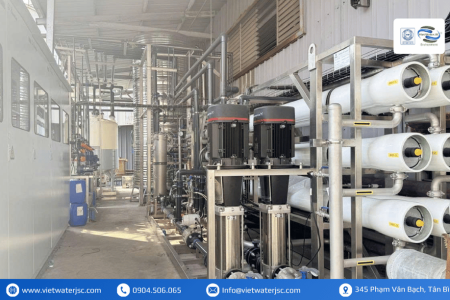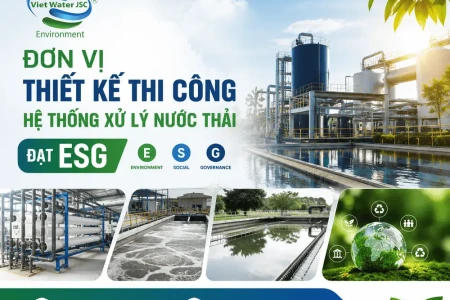
Viet Water specializes in ESG-compliant wastewater treatment system design and construction. We deli...
ESG-Compliant Wastewater Treatment System Design and Construction
ESG-Compliant Wastewater Treatment System Design and Construction Contractor – Engineering Solutions for Sustainable Industrial Development
As Environmental, Social, and Governance (ESG) principles become increasingly important in global manufacturing and investment, wastewater treatment systems are no longer evaluated solely based on their ability to meet discharge standards. Modern facilities are expected to minimize energy consumption, reduce carbon emissions, optimize water reuse, and provide transparent operational data to support corporate sustainability reporting.
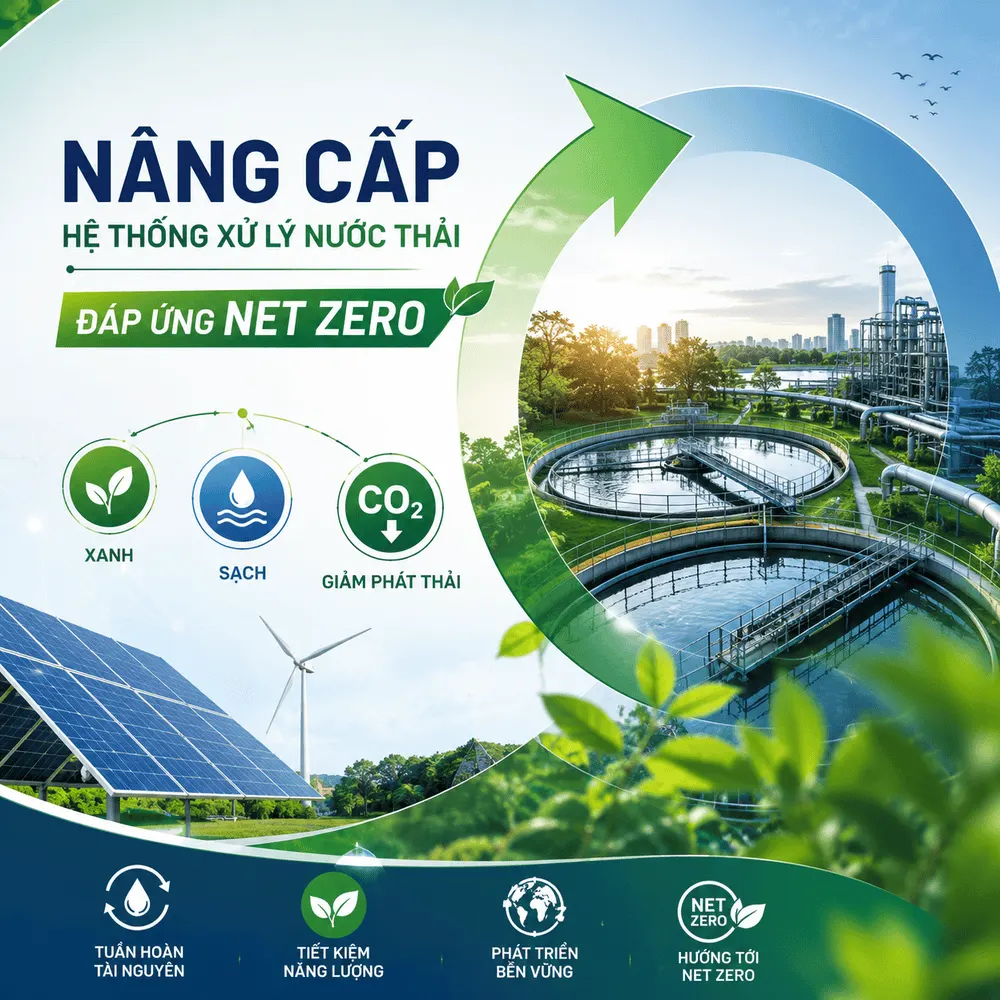
From an engineering perspective, an ESG-compliant wastewater treatment system requires comprehensive process analysis, accurate hydraulic and biological calculations, appropriate technology selection, and intelligent automation. Therefore, selecting an experienced engineering contractor is essential to ensure long-term operational efficiency, regulatory compliance, and sustainable investment performance.
What Is an ESG-Compliant Wastewater Treatment System?
An ESG-compliant wastewater treatment system is engineered to satisfy environmental regulations while supporting broader sustainability objectives throughout the entire system life cycle, including design, construction, operation, maintenance, and future expansion.
Rather than focusing only on treated water quality, ESG-oriented systems evaluate energy efficiency, carbon footprint, resource utilization, operational safety, and digital monitoring capabilities.
Engineering Requirements Under ESG Standards
Environmental Performance
From an engineering standpoint, the treatment system should achieve the following objectives:
- Meet applicable wastewater discharge standards.
- Reduce greenhouse gas emissions.
- Minimize electricity consumption.
- Lower chemical usage.
- Reduce sludge generation.
- Increase treated water reuse.
- Improve overall resource efficiency.
Social Responsibility
Engineering design should also emphasize operational safety and workplace sustainability through:
- Safe equipment layout.
- Low-noise operation.
- Odor control measures.
- Reduced operator exposure to chemicals.
- Easy maintenance access.
- Automated operating procedures.
Governance and Digital Management
An ESG-ready wastewater treatment plant should support:
- Continuous operational monitoring.
- Real-time environmental data collection.
- Automated reporting.
- Historical data storage.
- Remote monitoring through SCADA and IoT.
- ESG auditing and sustainability reporting.
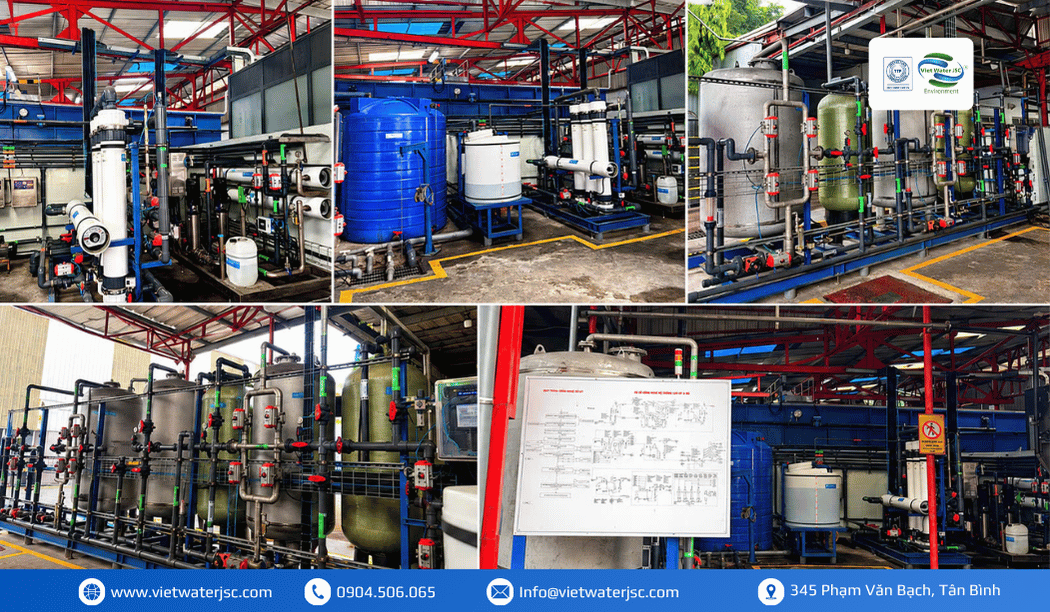
Engineering Design Criteria for ESG Wastewater Treatment Systems
Successful wastewater treatment projects begin with a comprehensive engineering assessment rather than equipment selection alone.
Wastewater Characterization
The engineering team must determine:
- Average flow rate.
- Peak flow rate.
- Flow fluctuation coefficient.
- Organic loading.
- Seasonal variations.
- Future production expansion.
Typical laboratory analyses include:
- pH
- COD
- BOD₅
- Total Suspended Solids (TSS)
- Ammonia
- Total Nitrogen
- Total Phosphorus
- Oil and Grease
- Heavy Metals
- Conductivity
- Color
Accurate wastewater characterization provides the basis for selecting appropriate treatment technologies and calculating process design parameters.
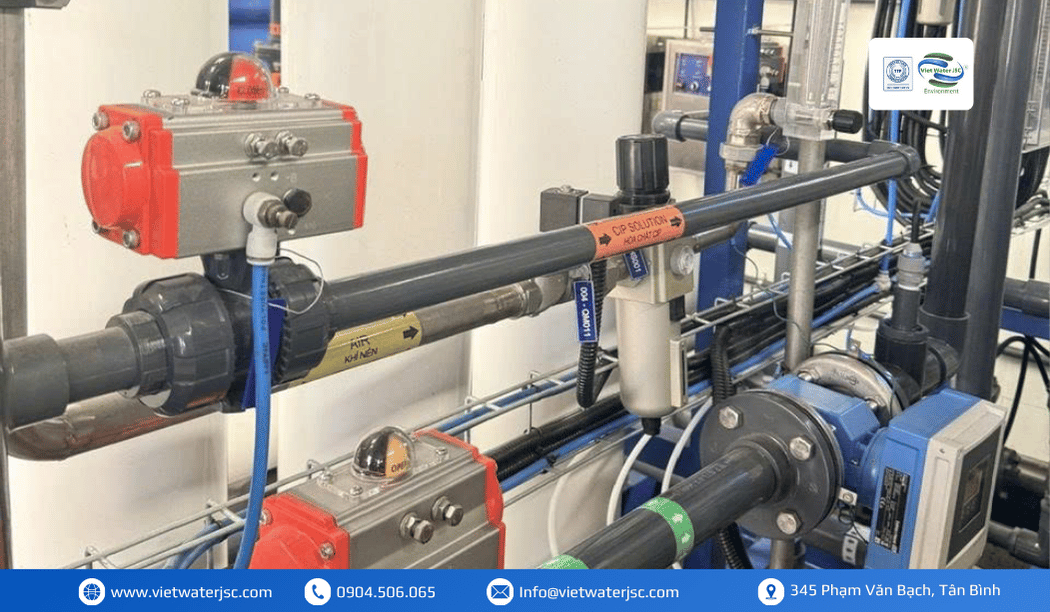
Selecting the Appropriate Treatment Technology
No single technology is suitable for every wastewater source. The treatment process should be selected based on engineering calculations, wastewater characteristics, land availability, operating costs, and long-term sustainability objectives.
Biological Treatment Technologies
Depending on wastewater composition, engineers may recommend:
- Activated Sludge Process
- AO Process
- AAO Process
- Moving Bed Biofilm Reactor (MBBR)
- Membrane Bioreactor (MBR)
- Sequencing Batch Reactor (SBR)
- Upflow Anaerobic Sludge Blanket (UASB)
Membrane Treatment Technologies
For advanced treatment and water reuse applications:
- Ultrafiltration (UF)
- Nanofiltration (NF)
- Reverse Osmosis (RO)
- Disc Tube Reverse Osmosis (DTRO)
Water Reuse Technologies
For facilities pursuing circular water management:
- MBR + UF
- UF + RO
- RO + EDI
- Zero Liquid Discharge (ZLD)
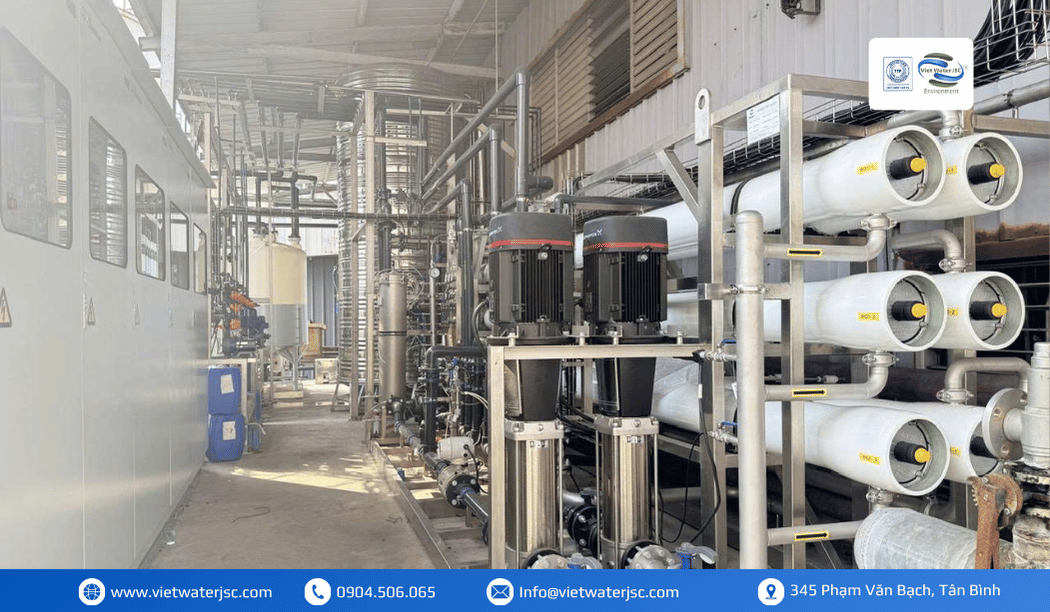
Equipment Design Based on Engineering Calculations
Professional engineering contractors perform detailed calculations for every process unit instead of relying on standardized equipment configurations.
Equalization Tank
Design parameters include:
- Hydraulic retention time.
- Effective tank volume.
- Mixing power requirements.
- Pump capacity.
Biological Reactor
Key design calculations include:
- Food-to-Microorganism Ratio (F/M)
- Mixed Liquor Suspended Solids (MLSS)
- Mean Cell Residence Time (MCRT)
- Hydraulic Retention Time (HRT)
- Sludge Retention Time (SRT)
- Oxygen demand.
Air Blower Selection
Blowers are selected according to:
- Oxygen transfer requirements.
- Oxygen transfer efficiency.
- Pipe friction losses.
- Water depth.
- Energy efficiency.
Wastewater Pump Selection
Pump sizing is based on:
- Design flow rate.
- Total dynamic head.
- Net Positive Suction Head (NPSH).
- Motor efficiency.
- Variable frequency drive compatibility.
Intelligent Automation for ESG Compliance
Modern ESG wastewater treatment systems integrate intelligent control platforms to improve operational efficiency and environmental transparency.
Typical automation systems include:
- PLC Control System.
- SCADA Monitoring.
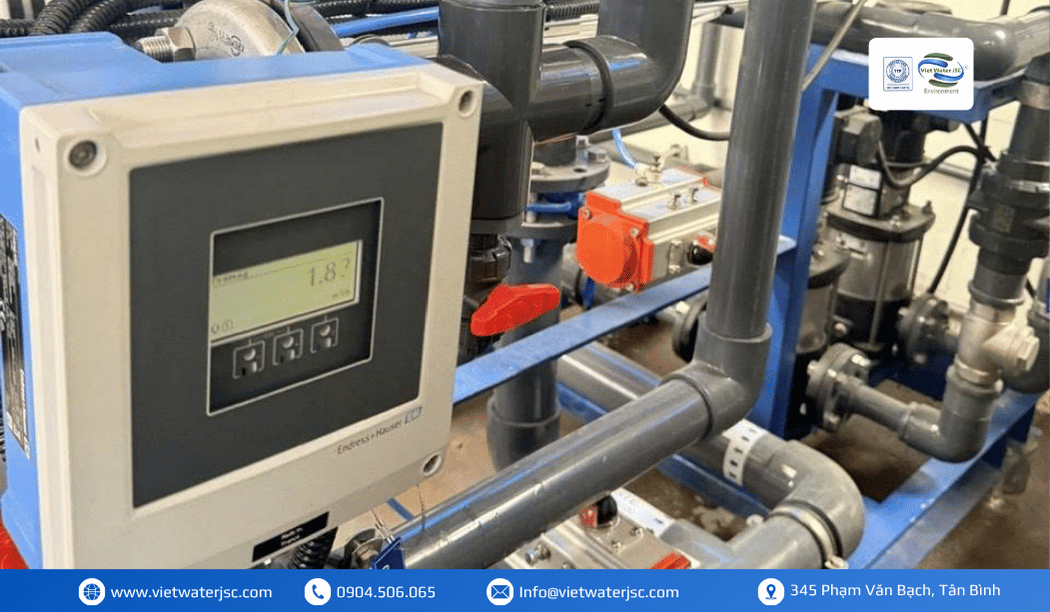
- IoT Gateway.
- Online Water Quality Sensors.
- Flow Meters.
- Energy Monitoring Devices.
- Remote Alarm Systems.
These technologies enable operators to monitor:
- Effluent quality.
- Electricity consumption.
- Chemical dosing.
- Equipment performance.
- Carbon reduction indicators.
- Preventive maintenance schedules.
How to Evaluate an ESG Wastewater Treatment Contractor
Selecting the right contractor requires evaluating technical capabilities rather than focusing solely on project cost.
Engineering Capability
The contractor should possess:
- Environmental engineers.
- Mechanical engineers.
- Electrical and automation engineers.
- Extensive industrial project experience.
Construction Capability
Professional contractors should provide:
- Equipment fabrication.
- Mechanical installation.
- Electrical installation.
- Instrumentation integration.
- Commissioning services.
Operation and Technical Support
Long-term support should include:
- Operator training.
- Technology transfer.
- Preventive maintenance.
- Performance optimization.
- Emergency technical support.
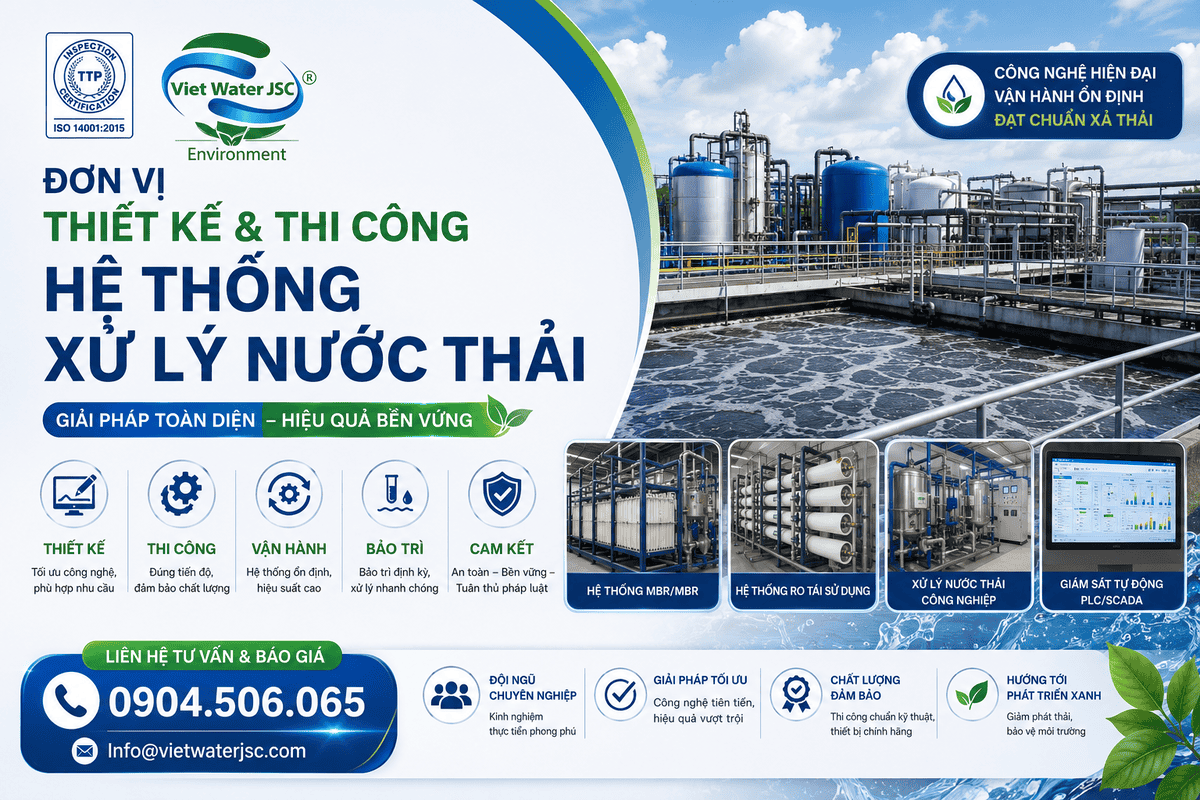
Viet Water – Your ESG Wastewater Treatment Engineering Partner
Viet Water Joint Stock Company specializes in engineering, designing, fabricating, and constructing advanced wastewater treatment systems for industrial and commercial facilities.
Our engineering team combines environmental, mechanical, electrical, and automation expertise to deliver integrated solutions that support ESG objectives and sustainable industrial development.
Our Technical Strengths
- Customized engineering design.
- Energy-efficient treatment processes.
- Reduced sludge generation.
- PLC, SCADA, and IoT integration.
- Advanced MBR, MBBR, UF, RO, DTRO, and ZLD technologies.
- Water reuse solutions.
- Support for ESG reporting and Net Zero initiatives.
Engineering Project Implementation Process
- Client consultation.
- Site investigation.
- Wastewater sampling and laboratory analysis.
- Pollutant load calculation.
- Process technology selection.
- Detailed engineering design.
- Equipment fabrication.
- Mechanical and electrical installation.
- Commissioning and performance optimization.
- Operator training and after-sales technical support.
Conclusion
An ESG-compliant wastewater treatment system is defined not only by its ability to achieve regulatory discharge standards but also by its energy efficiency, carbon reduction, digital monitoring capability, operational reliability, and long-term sustainability. Choosing an experienced engineering contractor ensures that every stage—from process design and equipment selection to automation and commissioning—is optimized for technical performance and future ESG requirements.
With extensive experience in industrial wastewater treatment engineering, Viet Water JSC delivers turnkey wastewater treatment solutions that help businesses improve environmental performance, reduce operating costs, achieve ESG objectives, and support long-term sustainable growth.
Contact Information
VIET WATER JOINT STOCK COMPANY
- Head Office: 345 Pham Van Bach Street, Tan Binh Ward, Ho Chi Minh City, Vietnam
- Workshop: Thanh Xuan 52 Street, Thanh Xuan Ward, Ho Chi Minh City, Vietnam
- Hotline: (+84) 904 506 065 – (+84) 28 6272 4888
- Email: Info@vietwaterjsc.com
- Website: www.vietwaterjsc.com