Low-Emission Wastewater Treatment System Cost
Quotation for Low-Emission Wastewater Treatment Systems – Cost-Effective Solutions for Sustainable Businesses
As environmental regulations become increasingly stringent and businesses are committed to ESG (Environmental, Social, and Governance), Net Zero, and the Circular Economy, investing in a low-emission wastewater treatment system has become a strategic priority. Beyond meeting wastewater discharge standards, modern treatment systems are designed to reduce energy consumption, minimize chemical usage, decrease sludge generation, increase water reuse, and lower greenhouse gas emissions throughout the treatment process.
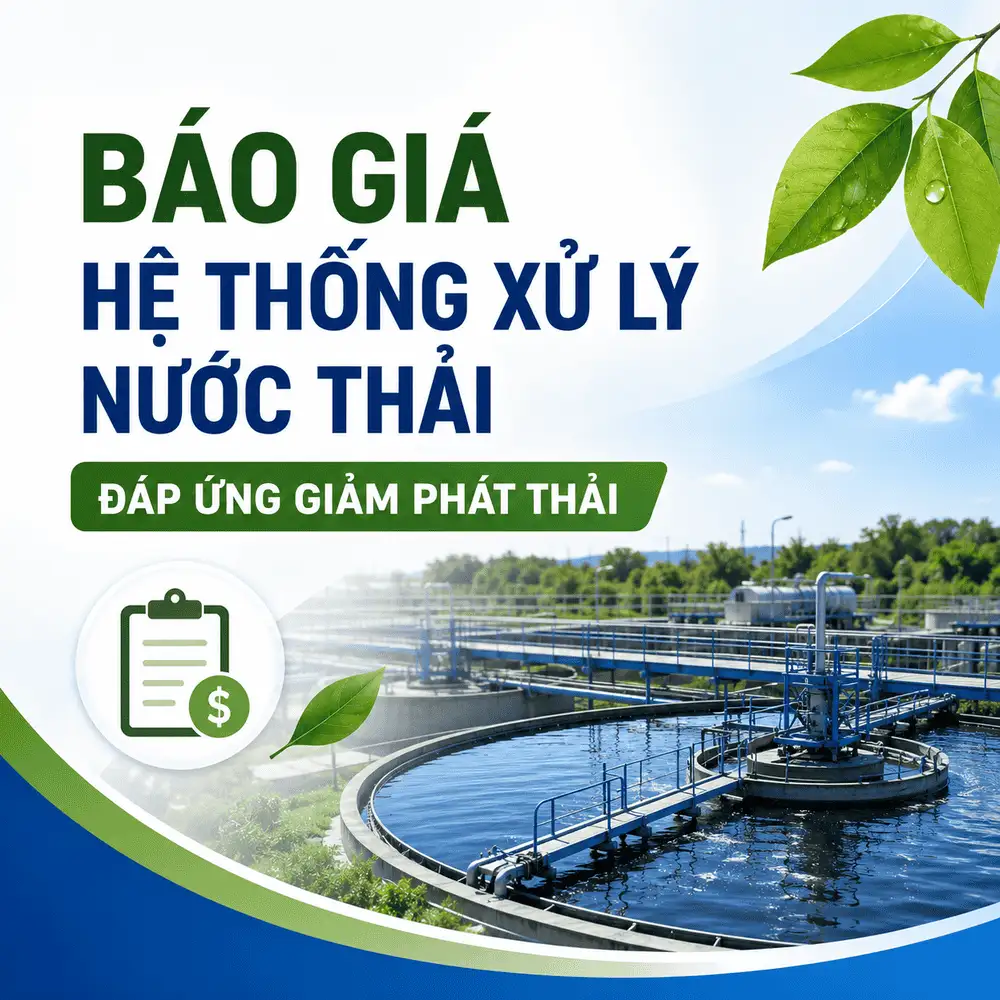
However, one of the most important concerns for investors is the overall project cost. How much does a low-emission wastewater treatment system cost? What factors influence the investment budget? How can businesses select the most suitable solution while optimizing both capital expenditure and long-term operating costs?
In this article, Viet Water JSC provides a comprehensive overview of pricing factors, system components, and cost-effective solutions for low-emission wastewater treatment projects.
What Is a Low-Emission Wastewater Treatment System?
A low-emission wastewater treatment system is an advanced treatment solution specifically designed to maximize treatment efficiency while minimizing carbon emissions through energy-efficient technologies, automation, and water reuse.
Main Objectives
- Achieve compliance with wastewater discharge regulations.
- Reduce energy consumption.
- Minimize chemical usage.
- Decrease sludge production.
- Lower greenhouse gas emissions.
- Increase treated water reuse.
- Support ESG reporting and Net Zero commitments.
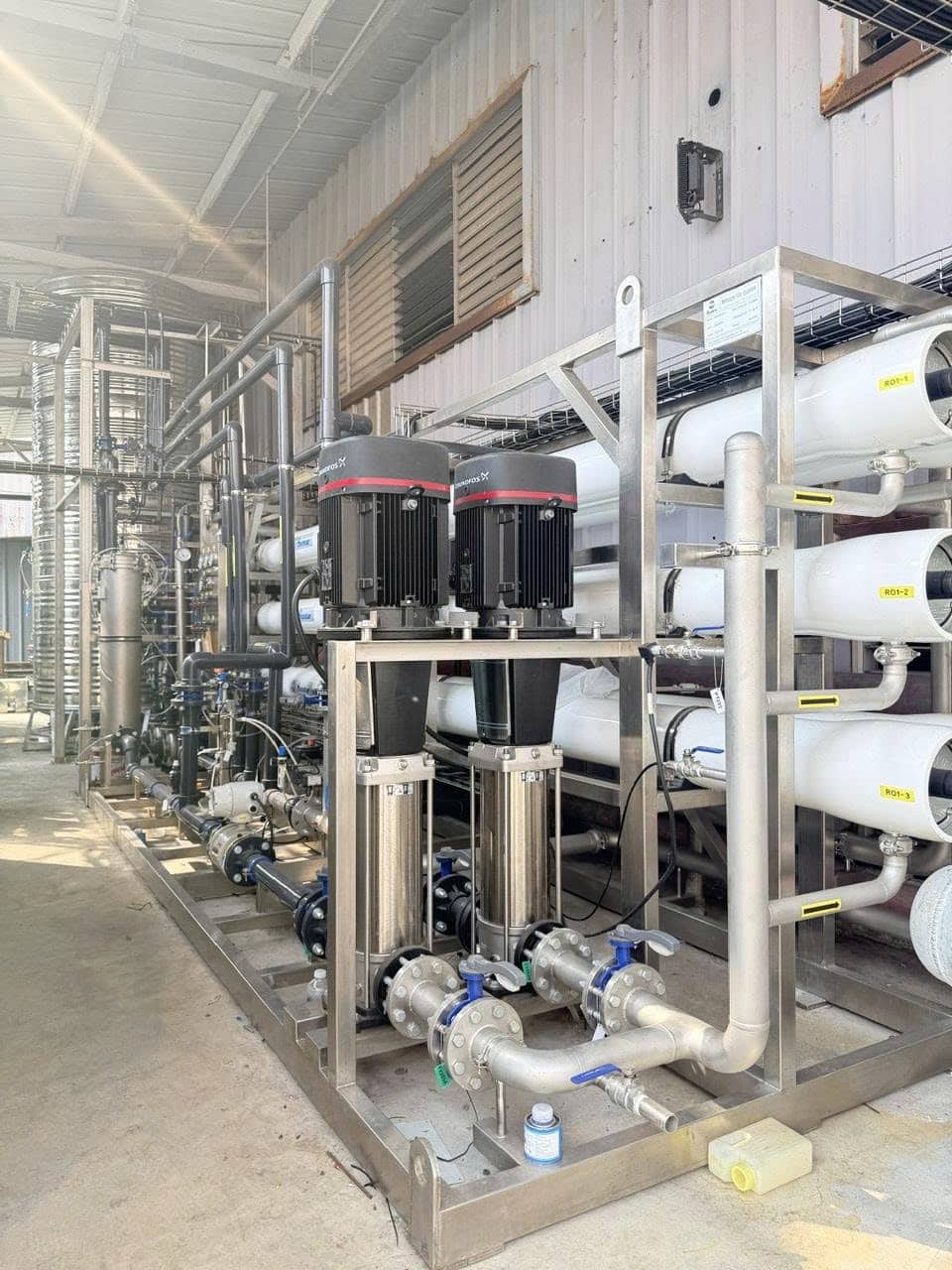
Why Are Businesses Interested in the Cost of Low-Emission Wastewater Treatment Systems?
Although the initial investment is an important consideration, the true value of a wastewater treatment system lies in its Total Cost of Ownership (TCO) throughout its operational life.
Economic Benefits
- Lower electricity consumption.
- Reduced chemical costs.
- Lower labor requirements.
- Reduced sludge disposal expenses.
- Extended equipment lifespan.
- Lower maintenance costs.
- Higher water reuse efficiency.
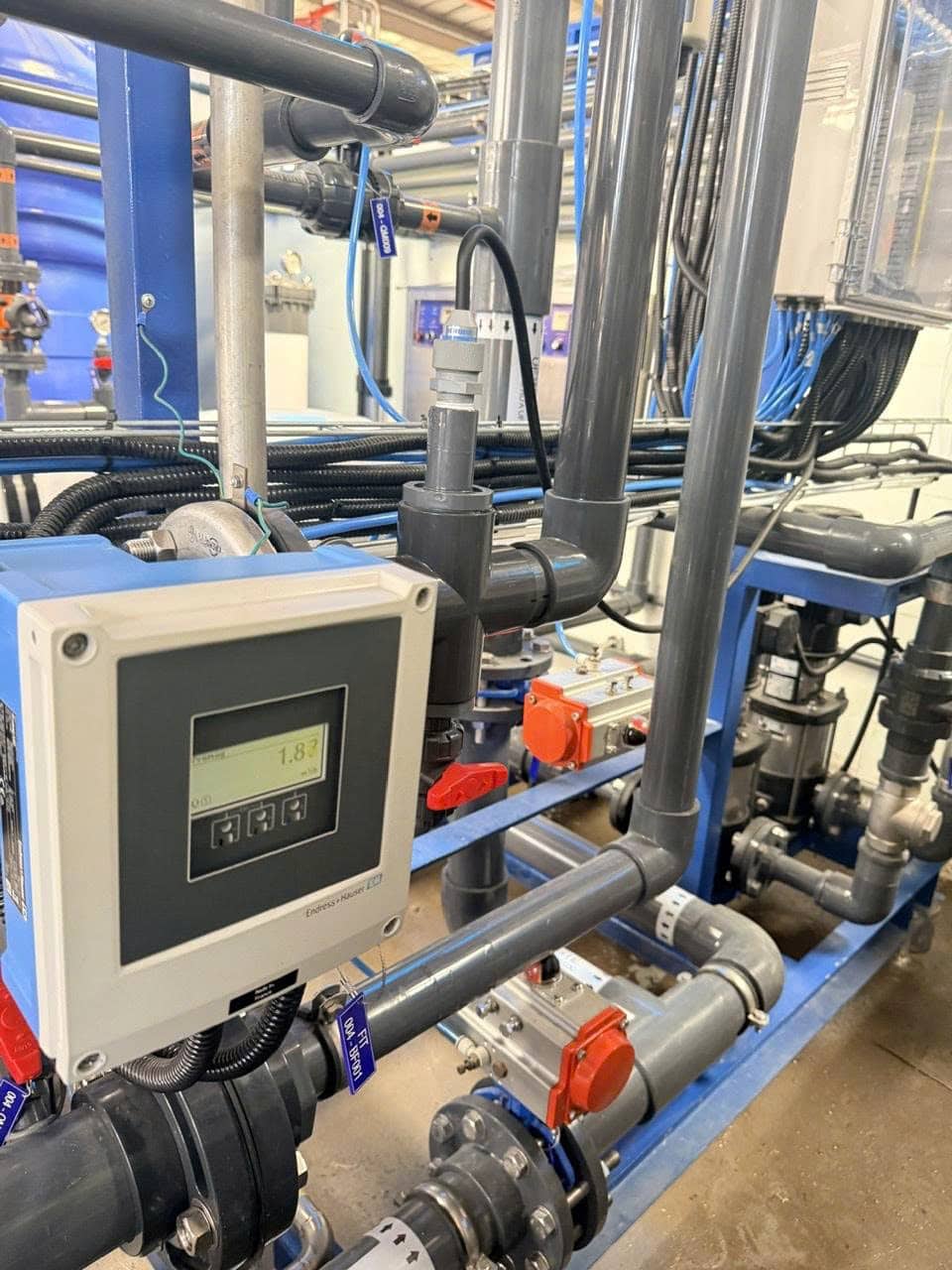
Factors Affecting the Cost of a Wastewater Treatment System
Treatment Capacity
Treatment capacity is one of the most significant factors influencing project cost.
| Capacity | Typical Applications |
|---|---|
| 10–30 m³/day | Restaurants, hotels, small factories |
| 30–100 m³/day | Medium-sized manufacturing plants |
| 100–500 m³/day | Large factories and industrial parks |
| Over 500 m³/day | Large-scale industrial facilities |
Wastewater Characteristics
Different wastewater types require different treatment technologies.
Typical Wastewater Sources
- Food processing wastewater
- Seafood processing wastewater
- Textile and dyeing wastewater
- Paper mill wastewater
- Chemical industry wastewater
- Pharmaceutical wastewater
- Electronics manufacturing wastewater
- Electroplating wastewater
Key parameters such as COD, BOD₅, TSS, Total Nitrogen, Total Phosphorus, Oil & Grease, and Heavy Metals directly influence system design and investment costs.
Treatment Technologies
Advanced technologies generally require a higher initial investment but significantly reduce operating costs over the long term.
Common Technologies
- Membrane Bioreactor (MBR)
- Moving Bed Biofilm Reactor (MBBR)
- Anaerobic–Anoxic–Oxic (AAO)
- Sequencing Batch Reactor (SBR)
- Upflow Anaerobic Sludge Blanket (UASB)
- Ultrafiltration (UF)
- Reverse Osmosis (RO)
- Disc Tube Reverse Osmosis (DTRO)
- Zero Liquid Discharge (ZLD)
- SCADA Automation
- IoT Remote Monitoring
Automation Level
Modern wastewater treatment systems may include:
- PLC-based automatic control.
- SCADA monitoring.
- Remote operation.
- Alarm and fault notification.
- Online performance reporting.
Higher automation generally increases the initial investment but significantly reduces operating costs over the system's lifetime.
Water Reuse Requirements
If treated water will be reused for:
- Cooling systems
- Landscape irrigation
- Floor washing
- Industrial processes
Additional technologies such as UF, RO, or ZLD may be required, affecting the total project investment.
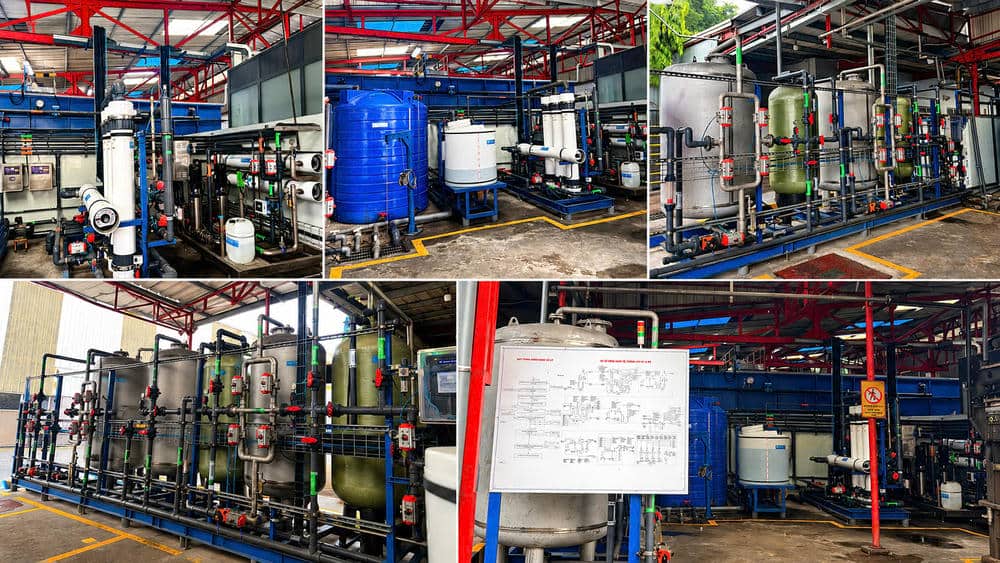
Reference Price for Low-Emission Wastewater Treatment Systems
Note: The following prices are for reference only. An accurate quotation will be provided after a site survey and wastewater analysis.
| Treatment Capacity | Estimated Investment |
|---|---|
| 10–30 m³/day | Cont |
| 30–100 m³/day | Project-based quotation |
| 100–300 m³/day | Project-based quotation |
| 300–500 m³/day | Project-based quotation |
| Above 500 m³/day | Project-based quotation |
Why Choose Viet Water?
Viet Water Joint Stock Company specializes in the design, engineering, and construction of advanced wastewater treatment systems for a wide range of industries.
Our Advantages
- Experienced environmental engineers.
- Customized process design.
- Expertise in MBR, MBBR, AAO, UASB, UF, RO, DTRO, and ZLD technologies.
- High-quality equipment and materials.
- On-time project delivery.
- Optimized investment and operating costs.
- Comprehensive after-sales support and maintenance.
Contact Information
VIET WATER JOINT STOCK COMPANY
- Head Office: 345 Pham Van Bach Street, Tan Binh Ward, Ho Chi Minh City, Vietnam
- Workshop: Thanh Xuan 52 Street, Thanh Xuan Ward, Ho Chi Minh City, Vietnam
- Hotline: (+84) 904 506 065 – (+84) 28 6272 4888
- Email: Info@vietwaterjsc.com
- Website: www.vietwaterjsc.com